
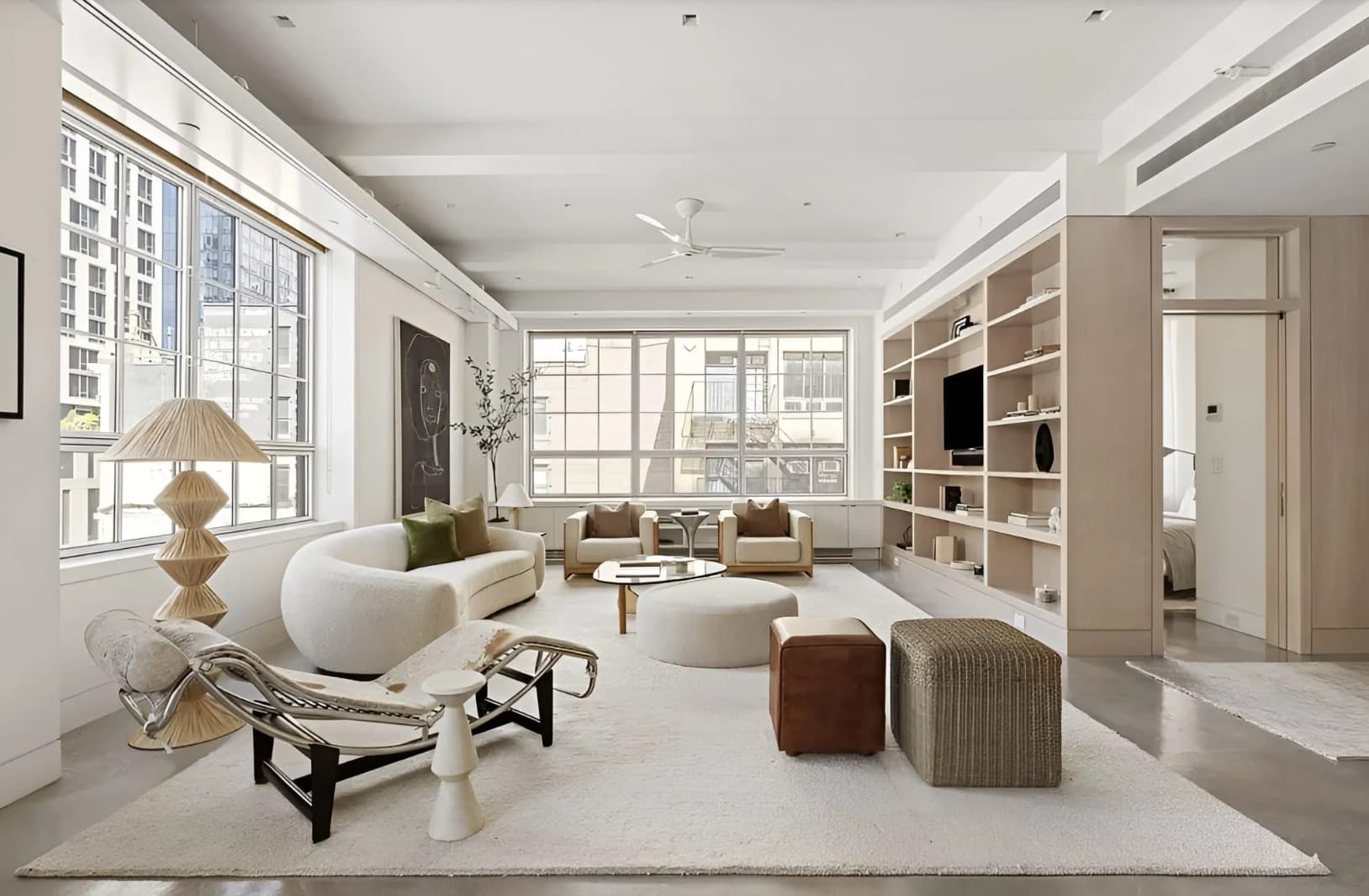
The way we live is changing, and naturally, our homes are evolving with us. In 2026, furniture is no longer just about filling a space or following what looks good in a showroom. It is about creating a home that works for your lifestyle, your environment, and the people you share that space with. Across Nigeria, especially in fast-paced cities like Lagos, there is a growing awareness that furniture has to be intentional. It has to solve problems, not create them. It has to support real life, not just aesthetics. From compact apartments to large family homes where people are always coming and going, the expectations have changed. People want furniture that is practical, comfortable, durable, and still beautiful.
Here are the key furniture trends Nigerians should be paying attention to in 2026 and how to make them work in your own space.
- Furniture that does more than one job
Space is becoming one of the most valuable assets in modern Nigerian living. In many urban areas, homes are getting more compact, and even in larger houses, people are becoming more conscious about clutter and how space is used. There is less tolerance for furniture that simply “sits there” without adding real value. This is why multifunctional furniture is no longer just a nice idea. It is becoming essential.
A bed is no longer just for sleeping. It can provide hidden storage for bedding, clothes, or seasonal items. A centre table is no longer just decorative. It can include compartments or adjustable features. A sofa is no longer just for sitting. It can transform into a bed when guests stay over. This shift is driven by necessity, but it is also driven by smarter living. People are beginning to ask better questions before buying furniture. What else can this piece do for me?
Will this help me maximise my space? Will this reduce clutter or add to it?
A well-furnished home in 2026 is not the one filled with the most items. It is the one where every single piece has a clear purpose and contributes to how the home functions daily.

- Materials that can handle our weather
If there is one factor that cannot be ignored when choosing furniture in Nigeria, it is the weather. Heat, humidity, dust, and constant use all play a role in how furniture performs over time. What looks good in a cold-climate catalogue may not always translate well into a Nigerian home. This is why there is a noticeable shift toward materials that are more suitable for our environment.
Breathable fabrics are becoming more popular because they remain comfortable even in warm conditions. Treated wood is preferred because it handles humidity better and lasts longer. Leather alternatives are gaining attention because they offer durability without becoming too hot or sticky. People are also paying more attention to finishes. Furniture that traps heat or feels uncomfortable during the day is slowly losing its appeal. Instead, there is a preference for materials that remain usable and comfortable throughout the day, regardless of temperature.
There is also a growing awareness around maintenance. Furniture that requires too much effort to keep in good condition is becoming less attractive. People want pieces that can withstand daily life without constant worry. In simple terms, furniture in 2026 must work with the Nigerian climate, not against it.
- Furniture that actually feels comfortable
For a long time, many people prioritised appearance over comfort. A chair looked good, so it was bought. A sofa had the right shape, so it was placed in the living room. Whether it was actually comfortable was sometimes secondary. That mindset is changing. People are now more intentional about how furniture feels. They want pieces they can truly relax in, not just admire.
This is why softer designs are becoming more popular. Sofas are deeper and more inviting. Chairs are designed with better support. Edges are less rigid, and overall structures feel more accommodating. This shift is also tied to how people use their homes today. Homes are no longer just places to sleep and leave in the morning. They are spaces for rest, remote work, entertainment, and personal time. After a long day, nobody wants to come home to furniture that looks good but feels uncomfortable. People want to sink into their sofas, stretch out, and feel at ease. Comfort is no longer a bonus. It is an expectation.
- Designed for real Nigerian living
One thing that stands out about Nigerian homes is the social nature of how they are used. A home is rarely just for the people who live there. Friends visit. Family drops by. Celebrations happen. Even on ordinary days, it is common to have more people in your space than you planned for. This cultural reality is influencing how people choose furniture.
Living rooms are being designed with more seating in mind. Flexible arrangements are becoming important so that spaces can adapt depending on the number of people present. Furniture that can be easily rearranged or expanded is gaining popularity. There is also a renewed focus on durability. When furniture is used often and by many people, it has to be able to withstand that level of activity without wearing out quickly. In 2026, a well-designed living room is not just one that looks good in pictures. It is one that can comfortably host people without feeling crowded or strained. It reflects the reality of Nigerian living, where community and connection are part of everyday life.
- Mixing styles instead of matching everything
There was a time when the goal was to have a perfectly matched furniture set. Everything looked the same. Same colour, same material, same design. It created a neat, uniform look, but sometimes it lacked personality. That approach is gradually fading. People are now more comfortable mixing styles, colours, and textures. A modern sofa can sit comfortably with a more traditional chair. A neutral base can be paired with a bold statement piece. Wood, fabric, and metal can exist in the same space without conflict. This does not mean randomness. It requires intention.
The idea is to create a space that feels lived-in and personal rather than staged. A home should reflect the person living in it, not just what was available in a catalogue.This trend also gives people more flexibility. Instead of waiting to buy a complete set, they can build their space gradually, choosing pieces that fit their taste and needs over time. The result is a home that feels more authentic and less predictable.

- Choosing quality over quick fixes
Another important shift happening in 2026 is the move away from fast furniture. For a long time, many people focused on buying the cheapest option available, even if it meant replacing it frequently. Over time, this approach often costs more and creates unnecessary stress. People are beginning to realise this. There is now a stronger appreciation for quality. Furniture that is well-made, durable, and reliable is becoming more desirable. Instead of buying multiple low-quality items, people are choosing fewer, better pieces that will last longer and perform better over time.
Knowing that your furniture will hold up, remain comfortable, and continue to look good after years of use is valuable. It reduces the need for constant replacement and allows you to focus on enjoying your space. Furniture is no longer just something you buy quickly. It is something you choose carefully.
- Simplicity and clarity in design
Another quiet but powerful trend is the move toward simpler designs. People are becoming more drawn to furniture that is clean, functional, and free from unnecessary complexity. This does not mean boring. It means intentional.
A well-designed piece does not need excessive decoration to stand out. Its strength lies in its form, its comfort, and how well it fits into a space. This approach also makes it easier to maintain a calm and organised home. When furniture is simple and purposeful, the entire space feels lighter and more manageable. In a world where there is already so much noise and activity, people are beginning to value homes that offer a sense of calm. Furniture plays a big role in creating that atmosphere.
Furniture trends will continue to evolve, but the most important thing is not to follow trends blindly. The real question is simple: Does this work for your life? In Nigeria, that means thinking about your environment, your daily routine, your space, and the people around you. A beautiful home is not just about how it looks. It is about how it feels to live in it every day. The best homes in 2026 will not necessarily be the most expensive or the most decorated. They will be the most thoughtful. Spaces where every piece of furniture has been chosen with intention and serves a clear purpose.Homes that are comfortable, functional, and truly reflective of the people who live in them.
At Vono Furniture, we understand that furniture is not just about design. It is about real life. It is about creating pieces that fit seamlessly into Nigerian homes, supporting comfort, durability, and everyday living. Because at the end of the day, your home should not just look good. It should work for you.